Visa Program Expertise
Each immigration program has distinct requirements, reviewing authorities, and evaluation criteria.
Our business plans are customized to reflect the specific program, the petitioner's background, and
the economic context of the proposed venture.
Schedule Conversation
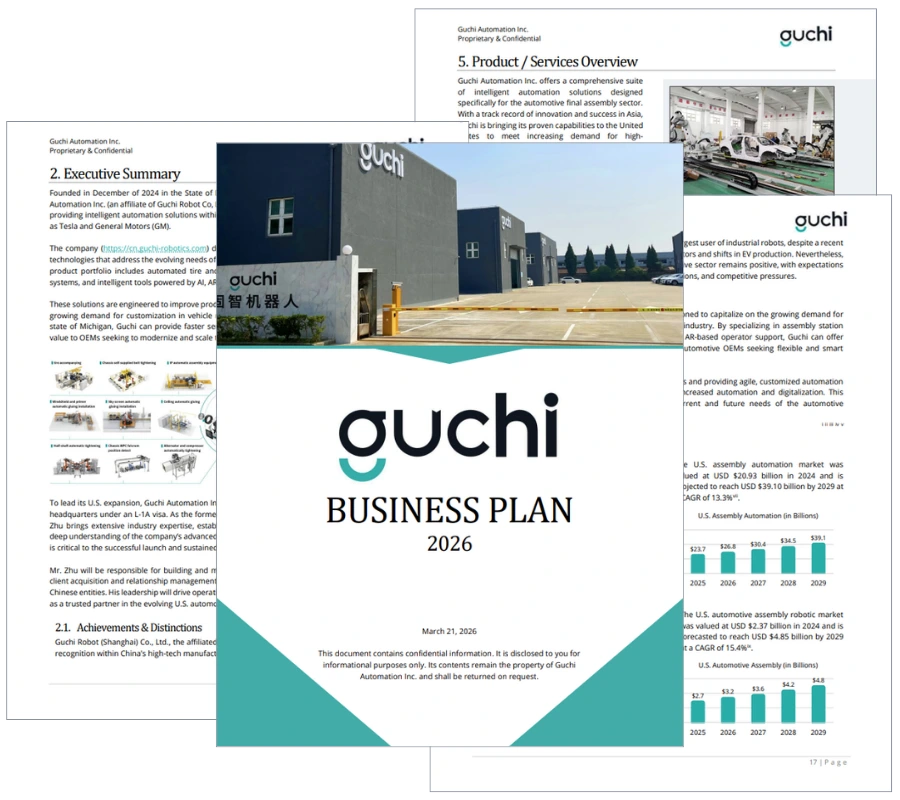
What's Included in
Immigration Business Plans
Every ZipVentures Immigration business plan is custom-written and structured to meet agency expectations. Standard sections include:
- Executive Summary
- Company Overview
- Go-To-Market Timeline
- Market Analysis & Opportunity
- Competitive Landscape
- Product / Service Overview
- Economic Impact
- Marketing, Sales, & GTM
- Operations & Risk Management
- Management & Beneficiary
- Financial Forecast (3-5 Years)
- Financial & Operations KPIs
- TAM/ SAM/ SOM
- Support Details & Appendices
I'm Ready to Start My Plan
I'm a repeat client, and ZipVentures has continued to exceed my expectations. The overall strategies and financial projections they outline are very comprehensive and it's rare to find people who truly understand the nuances and who actually care. Definitely recommend!
Chaka K.
Komer Logistics
ZipVentures was fantastic to work with. I needed a high-quality business plan and that's exactly what they provided, working quickly and with excellent communication every step of the way. They are very knowledgeable about multiple facets of businesses and startups and was really helpful. I would highly recommend them and I'll be looking at other projects I can use them for in the future.
Joe C.
CEO - Sentinel
Frequently Asked
Questions (FAQ)
Yes. Most entrepreneur and investor immigration programs require a detailed business plan as part of the petition package. Requirements vary by program, but for visa categories like the E-2, L-1A new office, and Canada Start-Up Visa, the business plan is one of the most critical documents in the application.
Even where a plan is not strictly required, a professionally written plan significantly strengthens the petition.
Business plans are required or strongly recommended for the E-2 Treaty Investor Visa, L-1A Intracompany Transfer Visa (new office petitions), EB-2 National Interest Waiver, Canada Start-Up Visa Program, Canadian Provincial Nominee Entrepreneur Programs, and Owner-Operator LMIA pathways.
Each program has distinct documentation requirements, and the business plan must be tailored accordingly.
Most immigration business plans range from 28 to 40 pages depending on the visa program and complexity of the business.
They are typically longer than investor or loan plans because they must address program-specific criteria - including petitioner background, organizational structure, job creation, and economic impact analysis - in addition to standard business documentation.
Most immigration business plans include three- to five-year financial projections covering revenue forecasts, operating expenses, hiring plans, and growth expectations.
For programs that require demonstration of economic contribution - such as the Canada Start-Up Visa or certain Provincial Nominee streams - the projections also address job creation timelines, payroll estimates, and the venture's broader economic impact.
Yes. We regularly collaborate with immigration attorneys throughout the drafting and revision process. Our goal is to ensure the business plan is consistent with the legal strategy of the petition and addresses any specific documentation requirements from the reviewing authority.
If you are working with counsel, we are happy to engage them directly.
Yes. Many immigration applicants are in early planning stages when the business plan is required.
We work with you to develop and document a credible, well-structured business concept that demonstrates viability and aligns with the program's requirements - even when the business has not yet launched.
Completed plans are delivered in Microsoft Word by default, which allows for easy collaboration with immigration attorneys. We can also deliver in Google Docs or PDF format depending on your preference or petition requirements.
Let's Start The Conversation
A well-prepared immigration business plan helps immigration officers clearly understand the viability and economic impact of the proposed venture. If you are preparing a U.S. or Canadian immigration application that requires a business plan, we can help you present your venture clearly and professionally.
Schedule a consultation to discuss your business and visa requirements.
Let's Discuss Your Plan